Home Blog

Kedarnath Yatra 2026: Opening Closing Date, Registration

Kedarnath Yatra 2026 is very popular among Hindu pilgrims. Here we have shared the opening date and closing date of Kedarnath Temple in Char Dham Yatra 2026. Along with a Travel Guide for booking hotels, helicopter services, and the registration process.

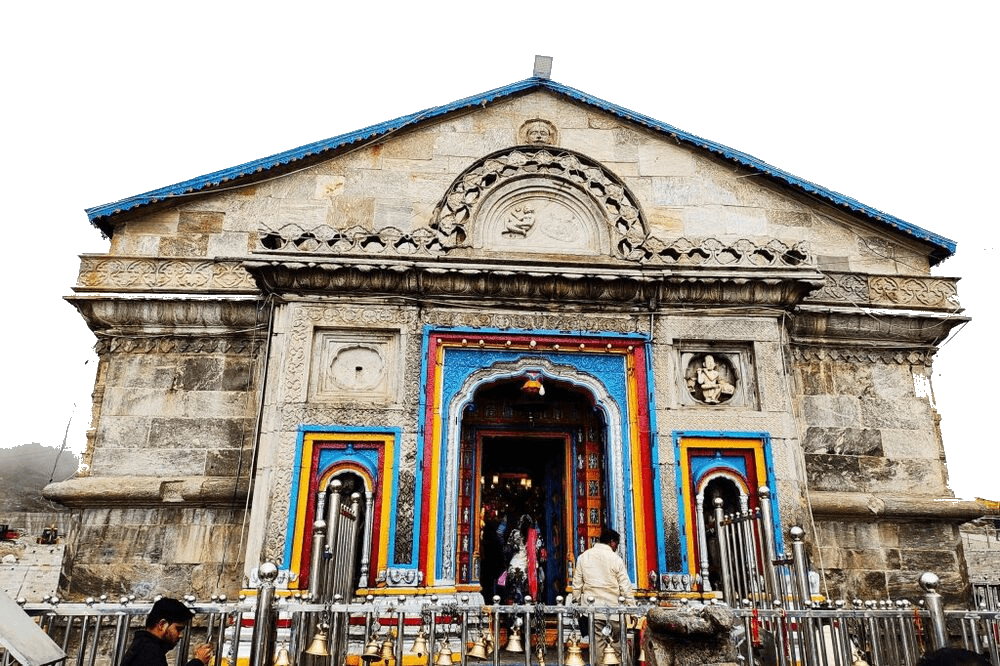
Kedarnath temple is one of the 12 Jyotirlingas located in the Rudraprayag district of Uttarakhand. It is also the most renowned temple among the Panch Kedar. Panch Kedar is a group of 5 Shiva temples in the Garhwal Himalayas.

These temples’ names are Kedarnath, Tungnath, Madhyamaheswar, Rudranath, and Kalpeswar. The Kedarnath Dham is also part of the Char Dham Yatra 2026.

Kedarnath shrine is situated in a breathtaking location near the milky white Mandakini River. At the astonishing height of 3,583 meters.

We have compiled all the important information about Kedarnath Yatra 2026. And we can say that this is your Online Travel Guide for your Kedarnath Trip.

About Kedarnath Yatra 2026

  • Deity: Kedarnath, Lord of Kedar Khand (Shiva)
  • District: Rudraprayag
  • State: Uttarakhand (India)
  • Elevation / Height: 3,583m (11,755 ft)
  • Visitors / Year: 15 Lakh visitors in 2022

More than 15 Lakh people visited Kedarnath in just the first 6 months of the Char Dham Yatra in 2022.

Kedarnath is one of the significant temples of the sacred Chota Char Dham Yatra. This Yatra consists of four temples of Uttarakhand. These are Kedarnath, Badrinath, Gangotri, and Yamunotri.

Kedarnath Yatra Opening Date 2026

Kedarnath Temple’s opening date depends on the auspicious day of Akshay Tritya and is declared on the Maha Shivaratri every year.

The date of opening of the Kedarnath shrine is decided by priests of Omkareshwar Temple located in Ukhimath after the calculation of Hindu Panchang.

The closing date of Kedarnath is fixed on the day of Bhai Dooj after the Diwali festival around November.

The opening and closing dates of the Kedarnath Temple in Char Dham Yatra 2026 are as follows:

Opening Date April 2026 at 6:20 AM (Morning)
Closing Date 11 Nov 2026 (Eve of Bhaiya Dooj)

Check Registration, Pooja Timings Details Here

Kedarnath Temple History

history of kedarnath yatra
Kedarnath Temple Image

There are so many stories and legends about Kedarnath Temple and it has been a pilgrimage center since ancient times.

Although, it is not confirmed who built the original Kedarnath Mandir and when.

But a mythological story describes the temple’s construction to the legendary brothers Pandavas. But the holy Mahabharata does not mention any place called Kedarnath.

The holy Kedarnath temple is said to have been built in the 8th century AD by Hindu guru Adi Sankaracharya.

Sankaracharya rebuilt the place where the Pandavas of Mahabharat fame is believed to constructed a Shiv temple.

History of Char Dham Temples

Kedarnath Flood 

kedarnath-yatra-flood-2013
Kedarnath Flood Before & After Image

Kedarnath town was the most affected area during the 2013 flash floods in North India. Uttarakhand is the most disaster-prone state in India. And The Kedarnath Temple complex, surrounding areas in Rudraprayag, and Kedarnath town suffered vast damage.

But the temple structure did not suffer any “major” damage. Apart from a few cracks on one side of the four walls which were caused by the flowing debris from the higher mountains.

During the disaster, a huge rock among the flood, mud, and debris worked as a barrier. And it protected the temple from extensive damage.

The surroundings of the Kedarnath Temple for example – buildings, hotels, and market areas were vanished away in the flood and damaged heavily.

Also Read: Full Story and Reason Behind Kedarnath Flood 2013 

How To Reach Kedarnath Temple?

Here we have compiled all the routes and distance information on how to reach Kedarnath in the best possible way.

Suppose you are planning your trip from any major city like Delhi, Mumbai, Chennai, Kolkata, or Banglore.

Then it’s very important to know the distance and best possible routes for your Kedarnath Trip.

It does not matter whether you are traveling to Kedarnath by train, air, or by road, Haridwar and Rishikesh are the main points from where you have to start your journey to the hilly area.

Kedarnath Yatra 2026 Route Maps & Distance Guide

If you want to reach Kedarnath Temple from any part of India. Then Gaurikund will be your last destination by road.

Your City ➜ Haridwar or Rishikesh ➜ Devprayag ➜ Srinagar ➜ Rudraprayag ➜ Sonprayag ➜ Gaurikund and then finally 16 km Trek to Kedarnath Temple.

Gaurikund is accessible from major destinations of Uttarakhand. After that Kedarnath temple can be reached by a 16 km trek from Gaurikund.

Kedarnath Distance from various Cities of India

Here we are sharing a detailed Route Map & Distance Guide on how to reach Kedarnath from major cities in India.

Click on Any Route below and you will be redirected to a detailed Guide on that Route.

⦿ Delhi To Kedarnath (466 km)
⦿ Rishikesh To Kedarnath (227 km)
⦿ Haridwar To Kedarnath (252 km)
⦿ Dehradun To Kedarnath (266 km)
⦿ Mumbai To Kedarnath (1912 km)
⦿ Chandigarh To Kedarnath (524 km)
⦿ Jaipur To Kedarnath (758 km)
⦿ Lucknow To Kedarnath (730 km)
⦿ Ahmedabad To Kedarnath (1431 km)
⦿ Banglore To Kedarnath (2558 km)
⦿ Chennai To Kedarnath (2609 km)
⦿ Kolkata To Kedarnath (1699 km)
⦿ Pune To Kedarnath (1913 km)
⦿ Hyderabad To Kedarnath (1685 km)

Gaurikund To Kedarnath Temple

There are so many transport options from Dehradun or Haridwar or Rishikesh To Gaurikund. It is also accessible from major destinations of Uttarakhand.

But the roads towards Kedarnath Temple only stretch till Gauri Kund.

After that, you have to take a 16 km trek towards the sacred shrine Kedarnath Mandir.

Paalkies and Ponies are also easily available here. And if you have a good budget, then you can also hire a helicopter service during the peak season of the Kedarnath Yatra.

Also Read: Kedarnath Trek Travel Guide

Best Time To Visit Kedarnath

best time to visit char dham yatra

The doors (Kapat) of the Kedarnath Temple (Mandir) open to devotees in the month of April-May every year.

And close around the last week of November on the occasion of Bhai Dooj.

During the Char Dham Yatra season, you can also visit Badrinath Temple, Gangotri Temple, and Yamunotri Temple.

The weather and climate during the yatra season are very pleasant and the temperature remains below 20 degrees Celcius.

Best Time for Your Char Dham Trip

Weather in Kedarnath

All the temples of the Char Dham Yatra are located at high elevations in Uttarakhand. And hence, it is normally very cold weather in Kedarnath in winter. Due to most often sub-zero temperatures which make trekking next to impossible.

Kedarnath Temperature Today

KEDARNATH WEATHER

Moreover, the Kapat (doors) of the temples close during the winter season. Thus, the Char Dham yatra is carried out mostly during the summer months. From April to June when the weather is favorable for steep climbing and sightseeing tours.

And also sometimes from late Sep to Nov, when the monsoon decreases and at the start of the winter season (autumn). This is the best time to visit Kedarnath.

But as much as possible the rainy season for this Sacred Yatra (Tour) should be avoided. Because the roads and paths (trek) become slippery and there are circumstances of landslides are high.

Hotels in Kedarnath

Kedarnath Temple is a remote location as compared to other Char Dham Temples in Uttarakhand. That is why there are so many options for accommodation.

From hotels to Govt guest houses like GMVN Tourist Guest Houses and Tent Camps, there are a variety of facilities to make your tour memorable.

One of the Chota Char Dhams of Uttarakhand, Kedarnath is definitely the most difficult way of austerity selected by pilgrims of all age groups.

During the months (April to November) when the Kapat (doors) of the temple is open for pilgrims, the 14 Km trek from Gauri Kund to the shrine of Lord Shiva is as crowded as a crossroads on a busy Monday in a city. For the sacred tour, there is a need for temporary residence or accommodation.

These are some of the best-recommended Hotels/Cottages/Rooms in Kedarnath.

Check Hotels Booking Prices Here

Helicopter Services in Kedarnath

heli-services-for-kedarnath

The hard journey becomes much easier because of the daily helicopter service from the helipad in Guptkashi, Phata, and Sersi village in Kedarnath.

Some operators also offer a premium helicopter service from Jollygrant Airport directly during the peak season of Char Dham Yatra 2026.

Check the Helicopter Booking Prices Here

Devotees can visit the Kedarnath shrine and also return the same day as the helicopter service flies at regular intervals from Phata and Agustmuni helipads.

5-seater helicopters are operated by different tour companies like Himalayan Heli, Pawanhansh..etc.

There are three main routes available for Heli services in Kedarnath.

Guptkashi, Phata, & Sersi.

You can take your helicopter ride from any of these three places.

Meditation Cave in Kedarnath

kedarnath yatra 2020

Another name for Kedarnath Cave is Rudra Meditation Cave. This region is maintained and runs as a “Modern Meditation Cave” by the Garhwal Mandal Vikas Nigam (GMVN). Kedarnath Cave is located one and a half kilometers from the Kedarnath Temple complex.

A stay in the cave can only be booked online from the portal of GMVN and fees INR 990 for a day.

Check Online Booking Here

Rudra Cave can be reached from Kedarnath following a trek of around a kilometer very easily. The holy town of Kedarnath is well-linked to several prominent cities in North India.

Also Read: Kedarnath Cave Travel Guide

What is Panch Kedar?

Panch Kedar is part of Lord Shiva’s body that appeared at five places in Kedarnath Town of Uttarakhand. These temples are considered highly sacred by Hindus and it is said that Pandavas built these 5 temples.

panch-kedar-temple-name
Panch Kedar Temple Names

Panch Kedar is an important pilgrimage destination dedicated to Lord Shiva. Panch Kedar Temple’s names are Kedarnath, Tungnath, Rudranath, Madhyamaheswar, and Kalpeswara.

  1. Kedarnath Temple: Located in the Rudraprayag district, Kedarnath Temple is the most famous and important temple among the Panch Kedar. It is situated at an altitude of 3,583 meters and is believed to have been built by the Pandavas.

  2. Tungnath Temple: Tungnath Temple is the highest Shiva temple in the world and is located in the Rudraprayag district. It is situated at an altitude of 3,680 meters and is believed to be more than 1,000 years old.

  3. Rudranath Temple: Located in the Chamoli district, Rudranath Temple is believed to be the place where Lord Shiva’s face appeared after he disappeared from Kedarnath.

  4. Madhyamaheshwar Temple: Madhyamaheshwar Temple is located in the Rudraprayag district and is believed to be the place where Lord Shiva’s navel appeared.

  5. Kalpeshwar Temple: Located in the Chamoli district, Kalpeshwar Temple is believed to be the place where Lord Shiva’s hair appeared. It is situated at an altitude of 2,134 meters.

Panch Kedar Route Map & Distance

Route map of kedarnath

The best way to visit Panch Kedar temples is a bus service that leaves Gaurikund near Kedar Nath. The Timing of this bus is every morning at 5 am and stops at every point for Panch Kedar temples.

Travel Guide for Char Dhams:

FAQs About Kedarnath

Here are some most frequently asked questions about Kedarnath.

Who built the Kedarnath Temple?

According to Hindu mythology, Kedarnath Mandir was constructed by the legendary brothers Pandava. But the modern structure of the Kedarnath Temple is said to have been built in the 8th century AD by Hindu Guru Adi Sankaracharya at the same place where the Pandavas are believed to built a Shiv temple.

Why the Kedarnath Yatra is Famous?

It is believed that Pandavas went to heaven from the path above the Kedarnath, and they built the Shiva Temple in Kedar Valley. And Kedarnath temple is located in the highest place among the 12 Jyotirlingas.

Where is the Kedarnath Located?

Kedarnath is a holy Hindu Temple located in the Rudraprayag district of Uttarakhand.

Kedarnath Yatra Opening Date in 2026?

The date for the opening of Shri Kedarnath Temple’s Kapat is announced by the priests on the auspicious day of Basant Panchmi. This year in 2026, Kedarnath Temple will be open on 26 April 2026.

Kedarnath Temple Closing Date in 2026?

Kedarnath Temple will close on Oct-Nov 2026, the date is not announced yet. (Most probably Nov 2026)

What is Kedarnath Temple Pooja Timing?

The morning pooja starts at 4:00 and lasts till 7:00. thus after the last Aarti, Kedarnath Temple is closed till the next morning. only between April & November.

Why Kedarnath Temple Closes Every Year?

Due to the very cold weather, the doors (Kapat) of the Kedarnath temple are closed, and everyone from the Kedar Valley migrates downwards.

How old Kedarnath Temple is?

The Lord Shiva Temple of Kedarnath is around 3000 years old. As per mythology, the Kedarnath Temple was made by the Pandavas brothers. however, the exact date or year of the temple’s establishment is not mentioned in pristine literature. But if we look at the scientific evidence, a minimum age of Kedardham of about 3,000 years can be considered.

How Kedarnath temple survive the flood?

During the flood in 2013, the temple structure did not suffer any “major” damage, apart from a few cracks on one side of the four walls which were caused by the flowing debris from the higher mountains. During the disaster, a huge rock in the flood worked as a barrier and protected the temple from extensive damage. The boulder saved the Kedarnath Temple although scientists believed that the structure and construction of the Temple were the reason for not being destroyed.

What is the name of the stone which saved Kedarnath Temple?

The stone that saved Kedarnath Mandir is called Bheem Sheela.

How Far is Kedarnath Temple from the Helipad?

The Kedarnath Helipad is situated about 700 meters away from Kedarnath Temple and can be accessed within a few minutes. Daily helicopter services are available from the helipad in Phata village in Kedarnath. Some operators also offer a helicopter service from the town of Agustmuni in Rudraprayag.

Can We Stay Near Kedarnath?

Yes, everyone can stay near Kedarnath Temple. You can find several hotels and Dharamshalas there according to your budget.

Explore Kedarnath

15 Facts About Khajuraho Temple

Khajuraho Temples are a group of famous Hindu and Jain temples located in the Chattarpur district of Madhya Pradesh. Here are 15 Facts About Khajuraho Temple.

Khajuraho Temples are a group of famous Hindu and Jain temples located in Khajuraho, a small town in Chhatarpur district. These temples are renowned for their intricate and exquisite carvings that depict various aspects of life, sensuality, spirituality, and mythology.

The Khajuraho Temples showcase a unique blend of Nagara and Dravidian architectural styles. The grandeur of the temples is enhanced by towering spires (shikhara), intricately carved pillars, and ornate sculptures.

Facts About Khajuraho Temple

Khajuraho temple in madhya pradesh

Here are 15 interesting Facts about Khajuraho Temple.

1. Historical Facts about Khajuraho Temple

Khajuraho Temple was Built between the 9th and 12th centuries by the Chandela dynasty. Khajuraho Temples are considered a UNESCO World Heritage Site.

  • The temples are divided into three groups: Western, Eastern, and Southern.
  • The Western Group, comprising the largest and most well-preserved temples, attracts the majority of visitors.
  • The Khajuraho Temples were built during the Chandela dynasty between the 10th and 12th centuries, reflecting the architectural and artistic brilliance of that era.
  • These temples are considered masterpieces of medieval Indian architecture and were added to the UNESCO World Heritage List in 1986.
  • The temples were dedicated to various deities, including Lord Shiva, Lord Vishnu, and various forms of the Goddess.
  • Over time, the temples fell into obscurity and were rediscovered by British surveyor T.S. Burt in the 19th century.
  • Today, the Khajuraho Temples are an important pilgrimage site, as well as a popular tourist attraction, attracting visitors from around the world.

2. Architectural Facts about Khajuraho Temple

The temple complex is famous for its erotic sculptures, which form a significant part of the intricate carvings. These sculptures, depicting various poses, reflect the ancient Indian philosophy of embracing physical and spiritual aspects of life.

  • The Khajuraho Temples are renowned for their exquisite stone carvings, depicting a wide range of subjects, including gods, goddesses, celestial beings, humans, animals, and erotic art.
  • The temples exhibit a fusion of Nagara and Dravidian architectural styles, characterized by soaring shikhara (spires), intricate sculptures, and intricately carved pillars.
  • The intricate carvings on the temple walls depict various aspects of life, spirituality, and mythology, showcasing the artistic skills of the craftsmen of that time.
  • The temples are adorned with intricate sculptures of deities, apsaras (celestial nymphs), musicians, dancers, and erotic art that symbolizes fertility and union.
  • The architectural grandeur of the temples is a testament to the rich cultural and artistic heritage of ancient India.

3. Temple Layout

The Khajuraho Temples are divided into three geographical groups: the Western, Eastern, and Southern groups.

  • The Western group is the largest and most well-known, featuring notable temples like the Kandariya Mahadeva Temple, Lakshmana Temple, and Vishvanatha Temple.
  • The Eastern group consists of smaller temples dedicated to various deities, with the Parsvanatha Temple being the most famous among them.
  • The Southern group houses the Duladeo Temple and the Chaturbhuj Temple, among others.
  • Each group of temples has its own distinct architectural style and layout, adding to the diversity and magnificence of the Khajuraho Temples.

4. Erotic Sculptures Facts about Khajuraho Temple

Khajuraho history

One of the unique features of the Khajuraho Temples is the presence of erotic sculptures depicting various sexual positions and acts.

  • These sculptures are found predominantly in the Western group of temples, particularly the Kandariya Mahadeva Temple.
  • The erotic art is considered an integral part of temple architecture and symbolizes the celebration of love, fertility, and the union of male and female energies.
  • These sculptures are intricately carved and showcase the sensuality and beauty of human form, capturing the attention of visitors and scholars alike.
  • The erotic art at Khajuraho has been widely studied and interpreted as a representation of the Tantric traditions and the pursuit of spiritual enlightenment through physical pleasure.

5. Spiritual Facts about Khajuraho Temple

The Khajuraho Temples are not merely architectural marvels but also hold deep spiritual significance for devotees and visitors.

  • The temple complex is designed to represent a microcosm of the Hindu universe, with each temple dedicated to a specific deity or aspect of divinity.
  • The temple structures, sculptures, and carvings are filled with symbolic meanings, conveying spiritual teachings and stories from ancient Hindu scriptures.
  • The intricately carved pillars, mandapas (halls), and sanctums create a sacred atmosphere, inviting visitors to connect with the divine and experience inner transformation.
  • The temples continue to be active places of worship, with regular rituals, ceremonies, and festivals being conducted to honor the deities and seek their blessings.

6. Preservation Efforts

The Khajuraho Temples have undergone extensive restoration and preservation efforts to protect their architectural heritage.

  • The Archaeological Survey of India (ASI) has been actively involved in conserving and maintaining these temples since the 1960s.
  • Conservation measures include structural stabilization, cleaning of sculptures, and documentation of intricate carvings.
  • The temples have also been protected from environmental factors such as pollution, weathering, and natural disasters through the installation of canopies and other protective measures.
  • These preservation efforts ensure that future generations can appreciate the beauty and historical significance of the Khajuraho Temples.

7. Festivals Facts about Khajuraho Temple

The Khajuraho Temples are known for hosting vibrant festivals and celebrations that attract both locals and tourists.

  • The most famous festival celebrated here is the Khajuraho Dance Festival, held annually in February/March.
  • During the festival, renowned classical dancers from all over the country perform against the backdrop of the beautifully lit temple complex.
  • The festival showcases various forms of Indian classical dance, including Kathak, Bharatanatyam, Odissi, and more, highlighting the rich cultural heritage of India.
  • Other festivals celebrated at the temples include Mahashivaratri, Navratri, and Diwali, where devotees gather to offer prayers, participate in rituals, and seek blessings from the deities.

8. Symbolism of Sculptures

Khajuraho Temple erotic sculpture

The sculptures at the Khajuraho Temples are not only artistic but also laden with symbolic meanings.

  • The sculptures depict deities, celestial beings, humans, animals, and various mythological scenes that convey spiritual and moral lessons.
  • The carvings often depict gods and goddesses in various forms and poses, symbolizing their attributes and divine qualities.
  • The sculptures also illustrate stories from Hindu mythology, such as the Ramayana and Mahabharata, serving as a visual representation of these ancient epics.

Each sculpture is carefully crafted to convey a specific message or teach a moral lesson, inviting contemplation and reflection.

9. UNESCO World Heritage Site

The Khajuraho Temples were designated as a UNESCO World Heritage Site in 1986.

  • The UNESCO recognition acknowledges the outstanding universal value of the temples and their significance in human history and culture.
  • The temples are considered a masterpiece of medieval Indian architecture and a testimony to the artistic and cultural achievements of the Chandela dynasty.
  • The UNESCO status has contributed to the conservation and promotion of the temples, attracting more visitors and ensuring their preservation for future generations.
  • The recognition also highlights the global significance of the Khajuraho Temples as a cultural heritage site.

10. Spiritual Tourism

  • The Khajuraho Temples attract a large number of tourists, both domestic and international, who are drawn to their architectural splendor and spiritual ambiance.
  • The temples serve as a pilgrimage site for Hindus and Jains, offering a sacred space for prayer, meditation, and seeking blessings.
  • The serene surroundings and the divine atmosphere of the temples create a conducive environment for spiritual exploration and introspection.
  • Many visitors come to Khajuraho to experience the spiritual energy of the temples, participate in rituals, and witness the religious ceremonies conducted by the priests.
  • The tourism industry in Khajuraho has developed around the temples, providing accommodation, guided tours, and cultural activities to cater to the needs of visitors.

11. Symbolism of Temple Layout

The layout of the Khajuraho Temples follows the principles of sacred geometry and aligns with cosmic symbolism.

  • The temples are constructed on a high platform called a Jagati, symbolizing the earth and its stability.
  • The main entrance of each temple faces the east, signifying the direction of the rising sun and the path of enlightenment.
  • The inner sanctums are strategically positioned to align with the cosmic energies, emphasizing the connection between the earthly and divine realms.
  • The overall temple complex is designed to create a spiritual journey for devotees, leading them from the outer courtyard to the innermost sanctum, representing the progressive stages of spiritual realization.

12. Varied Sculptural Themes

Khajuraho temple layout

The sculptures at Khajuraho Temples cover a wide range of themes, reflecting the diversity of ancient Indian life and beliefs.

Apart from the iconic erotic sculptures, there are also depictions of everyday life activities like farming, hunting, music, dance, and various occupations.

  • Mythological scenes, such as the divine marriage of Lord Shiva and Parvati or the battle between gods and demons, are also prominently featured.
  • Sculptures showcasing different aspects of nature, including animals, birds, and plants, highlight the harmony between humans and the environment.
  • The varied sculptural themes offer a glimpse into the social, cultural, and religious practices prevalent during the time of their construction.

13. Intricate Architecture Details

The architectural details of the Khajuraho Temples exhibit a high level of craftsmanship and attention to detail.

  • The carvings on the temple walls include intricate patterns, geometric designs, and ornamental motifs, showcasing the mastery of ancient Indian artisans.
  • The pillars inside the temples are adorned with delicate carvings of deities, mythical creatures, and divine beings.
  • The ceilings of the mandapas feature elaborate ceiling panels with mesmerizing patterns and sculptural reliefs.

The interplay of light and shadow enhances the visual appeal of the architectural elements, creating a captivating atmosphere.

14. Astronomical Observatories

Some scholars believe that the Khajuraho Temples served as astronomical observatories due to their alignment with celestial events.

  • The sculptures and temple structures are positioned in such a way that they align with the movement of the sun, moon, and stars during specific times of the year.
  • The placement of windows and doorways allows sunlight to enter the sanctums at specific angles during equinoxes and solstices.
  • It is believed that the priests used these alignments to determine auspicious timings for rituals and festivals.
  • The integration of astronomy into temple architecture reflects the deep connection between spirituality, cosmology, and the natural world.

15. Influence of Tantra

The Khajuraho Temples showcase elements of Tantric philosophy and practices, which emphasize the union of masculine and feminine energies for spiritual enlightenment.

  • The erotic sculptures are believed to represent the union of Shiva and Shakti, the divine masculine and feminine principles.
  • The Tantric philosophy perceives physical desire as a means to attain spiritual transcendence and inner transformation.
  • The presence of erotic art in the temples signifies the recognition and acceptance of human desires as a part of the spiritual journey.
  • The temples thus serve as a place where devotees can explore the interplay of physical and spiritual realms and seek a deeper understanding of their own nature.

How to Reach Khajuraho Temple?

Khajuraho is well-connected by road, rail, and air. The nearest airport is Khajuraho Airport, located just a few kilometers away from the town. The temples are a popular tourist attraction, drawing visitors from around the world who come to marvel at the stunning craftsmanship and architectural brilliance displayed in these ancient structures. Now let’s see an article that consists of 15 Facts About Khajuraho Temple.

Related Posts

error: Content is protected !!